


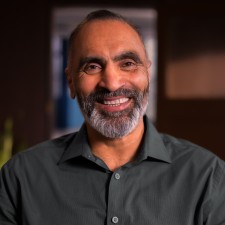
"Every person is different. Every program is different. So you have to try it out.”
Aman’s substance use escalated over time, and it began to impact his relationships, his work, and his sense of self. What started as something he believed he could manage, slowly became a cycle of damage in his life. “I never had a chance to look at myself,” he reflects.
“In the South Asian community, there’s a big stigma around addiction. They don’t want to talk about it,” Aman says. Silence and fear of judgment can make it harder to open up or ask for help. For Aman, the real shift came when he stopped looking outward and started looking inward. He realized that as long as he wasn’t honest with himself, nothing would truly change. “Once you make a decision,” he says, “the door opens.”
Recovery didn’t happen overnight. It meant asking for help and being willing to try different kinds of support, like detox, meetings, counselling, outpatient programs, sponsorship, and building a sober social circle. Some approaches resonated more than others. What mattered was staying open and giving himself time to heal. He chose not to rush the process and committed to steady, consistent work.
“Today, I have my freedom back,” Aman says. His family no longer lives in fear. He works in healthcare, supporting others who are struggling, and speaks openly about his recovery so others know they’re not alone. “Here I am today. If I can do it, anybody can do it.” His message is simple: be honest, reach out, and don’t give up. “Once you make a decision,” he says, “the door opens.”
Today, Aman contributes to his community, working in healthcare, supporting people who are struggling with addiction, and sharing his experiences to help others feel less alone. His recovery has become a way to give back, showing that the work he has done on himself can also lift up those around him.